

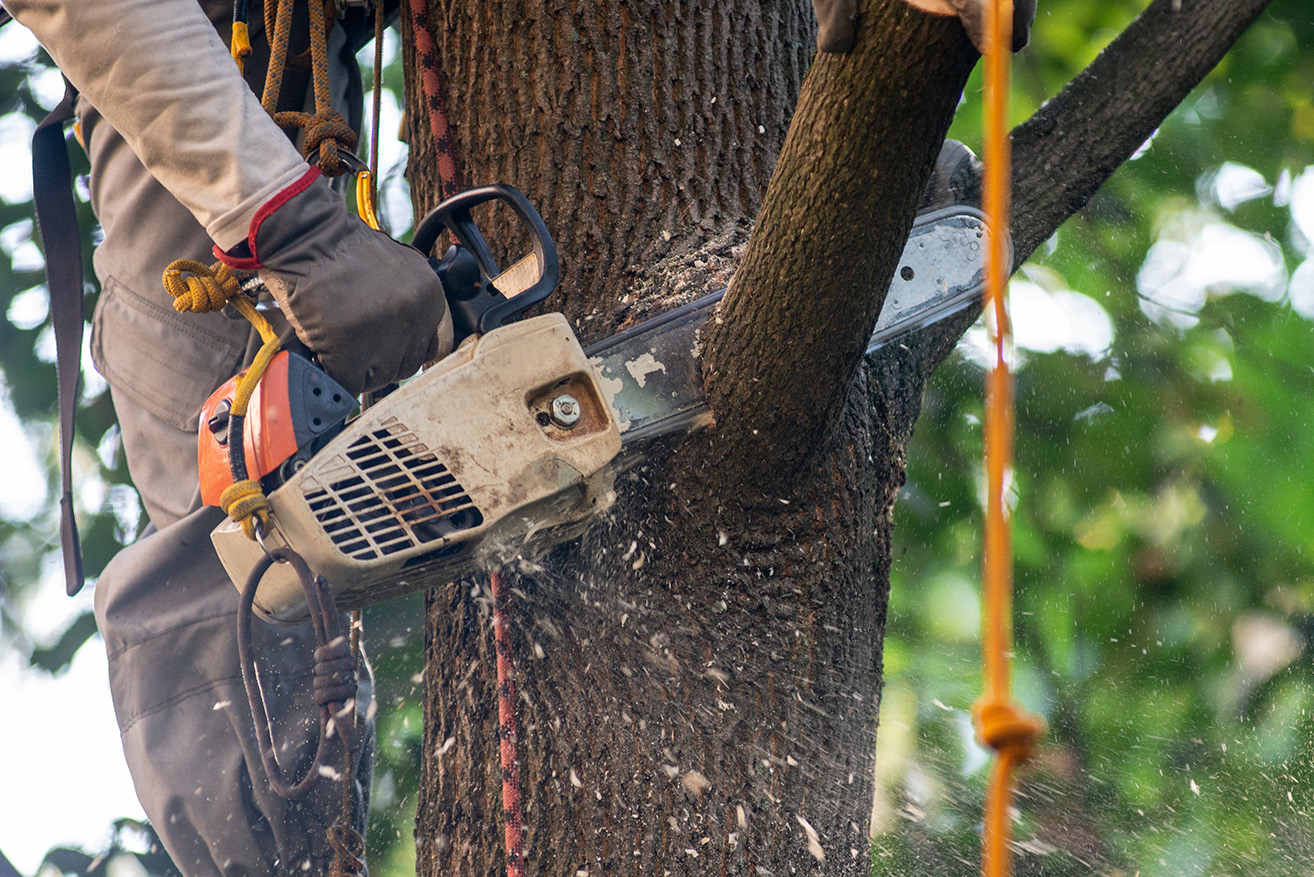
Healthy plants need proper care at correct moments during yearly cycles. Planned cutting improves light reach and supports branch balance without harm. Knowing the right season prevents weak limbs from spreading issues across the canopy. Early action protects the bark from splits, keeps the form stable through changing weather. This guide shares more info about suitable timing so yard owners can maintain safe shapes, encourage steady life in their green surroundings, while avoiding sudden decline due to neglect or delayed care.
Why choose late-season care?
Pruning in late cool months reduces sap loss, limits pest entry, so plant wounds seal faster while energy stays stored for spring push, which encourages stronger buds and keeps crown shape balanced during future windy days safely over time.
Why avoid early hot weather?
Cutting during hot periods increases water stress, exposing soft tissue so insects invade quickly, while sun scorches fresh cuts, which delays healing leads weak shoot formation later inside canopy areas across the plant during peak heat waves today.
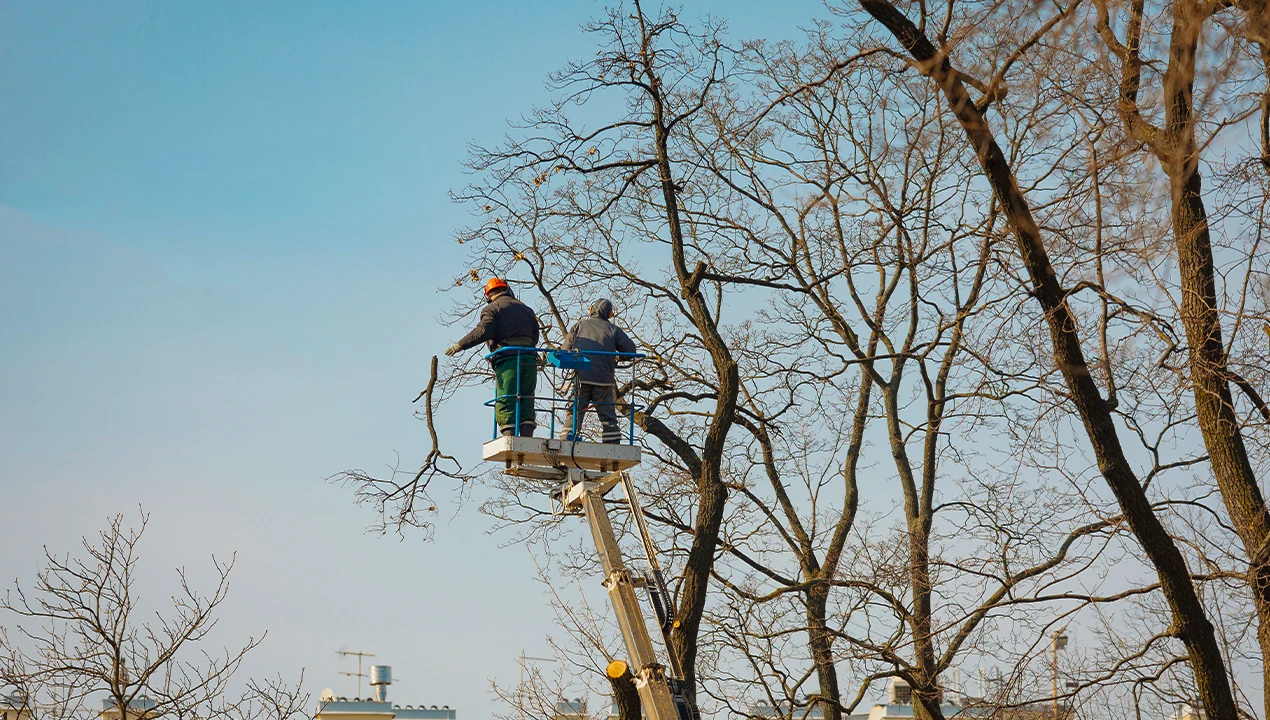
Why focus on damaged limbs?
Removing broken parts prevents decay spread opens airflow, so inner sections dry faster while light reaches hidden nodes, which supports healthy bud creation, maintains balanced form across seasons over time with steady care each year for safety needs.
Why maintain branch spacing?
Proper spacing improves air movement, reduces rubbing, so bark stays safe while weight spreads evenly, which lowers break risk, supports upright habit during storms across changing climates within the plant frame over time, each season with care applied now.
Why remove crossing stems?
Clearing intersecting parts stops friction, prevents wounds, so infections stay limited while light passes deeper, which supports even leaf spread, strengthens the internal framework across windy periods through planned care during cool seasons within each cycle for safety reasons.
Strong specimens respond best after planned seasonal attention that removes risky sections and opens sun access. Consistent schedules reduce pest shelter and keep the structure reliable during wind events. Follow these steps for more info to sustain vitality, manage size, and secure long-lasting outdoor assets within managed spaces today. This approach supports a balanced outline over the years while limiting root rot, lowering break risk in harsh climates.