

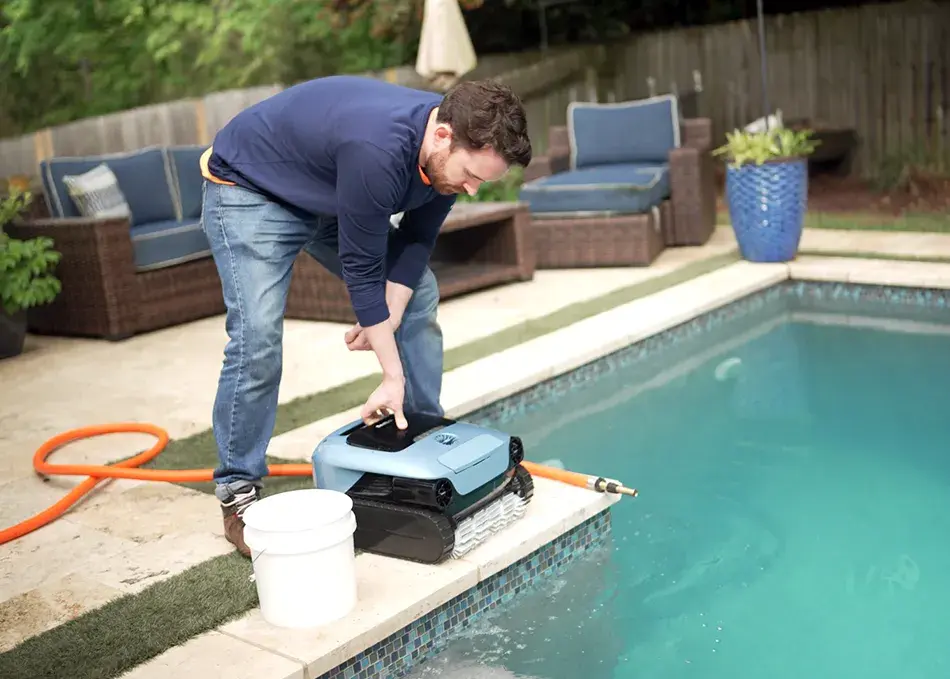
Careful upkeep keeps water areas reliable for families while reducing hidden risks during daily use. A pool needs steady attention so surfaces stay clear while water stays balanced for regular activity. Consistent habits support pool hygiene plus extend the structure’s life through simple scheduled actions. Thoughtful planning guides owners toward steady methods that protect users each season, encouraging them to learn more about safe and reliable care.
Surface Care Daily Habits
Walls require gentle brushing to remove film before it spreads across wide sections. A pool benefits from routine wiping that limits growth on corners plus steps. Soft tools guard finishes while keeping the texture smooth for bare feet. Repeated light attention avoids heavy scrubbing that could weaken protective coatings.
Equipment Check Regular Schedule
Pumps need inspection to confirm steady flow without unusual vibration or noise. Filters collect fine debris so a pool stays bright during active periods. Clear baskets reduce strain on moving parts while extending mechanical lifespan. Timely replacement of worn pieces supports reliable circulation throughout busy months.
- Inspect moving parts weekly using simple observation for early wear signs
- Clear trapped debris carefully using gentle tools to protect the inner housing
- Monitor pressure readings often to maintain a steady flow across chambers
- Replace aging seals promptly to prevent leaks near connected joints
- Record maintenance actions clearly for reference during future inspections
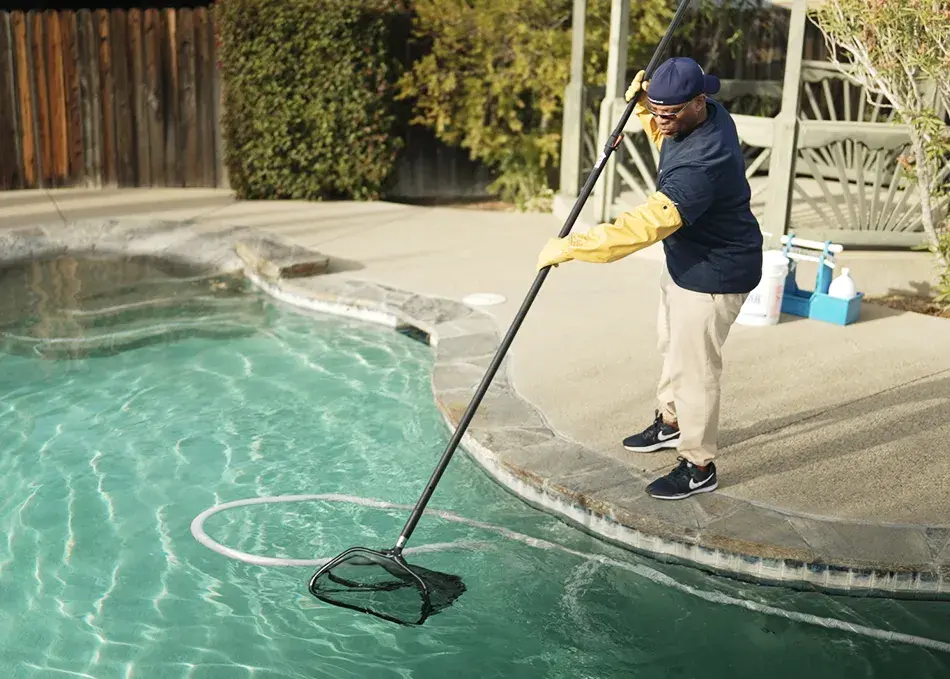
Seasonal Adjustment Planning Guide
Climate shifts influence evaporation rates, which change chemical concentration over time. A pool reacts differently during warm periods compared with cooler stretches. Cover use reduces contamination while limiting excess water loss each week. Planned adjustments help caretakers respond calmly without rushed decisions.
Water Balance Control Steps
Balanced liquid quality protects skin contact while supporting clear visibility for swimmers. Testing tools help track mineral levels so a pool remains stable under changing weather. Small corrections made early prevent buildup that could damage inner layers. Owners who record results regularly learn more about long-term patterns, helping them make confident, well-timed adjustments that protect the pool’s condition.
Chemical Storage Safety Methods
Secure containers protect supplies from moisture plus accidental contact by children. Ventilated spaces lower vapor buildup, which supports safer handling practices. Labels must stay readable so mixtures remain accurate during preparation. Organized placement shortens preparation time while reducing confusion.
Steady care routines solve many risks linked with water structures when applied with patience. Regular checks combined with clear records support smart correction before damage spreads. Owners who follow structured habits protect every pool user through reliable oversight. Simple actions repeated often create lasting stability while lowering repair costs.